The Village Drill Hybrid
Access to clean water remains one of the greatest humanitarian challenges of our time – but a new innovation, Village Drill Hybrid, launched in May 2024 is emerging as a powerful tool for change. Developed by WHOlives, the Hybrid drill builds on the legacy of the original manual Village Drill and promises to reach more people, faster, cheaper – and more sustainably.
What is the Village Drill Hybrid?
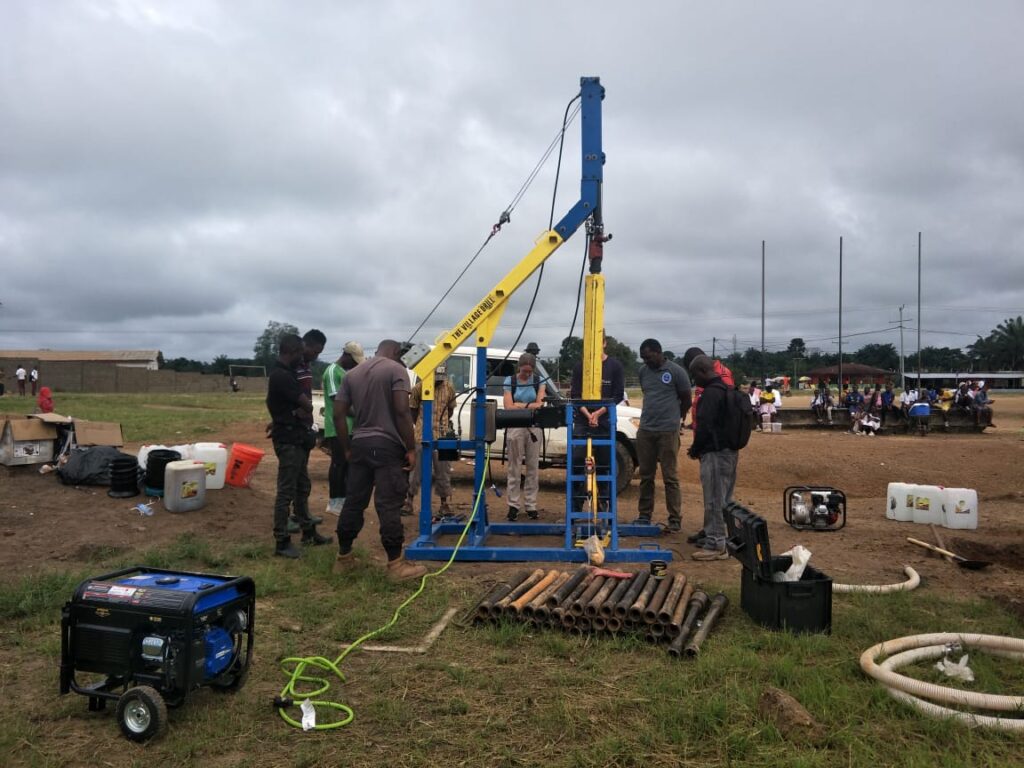
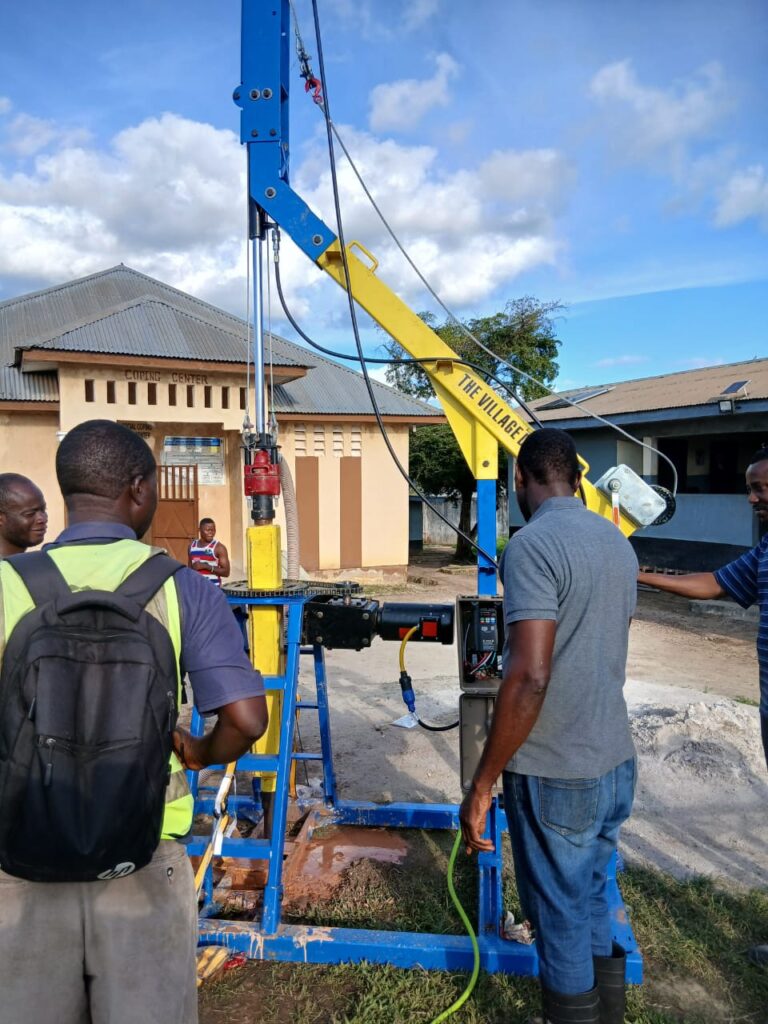
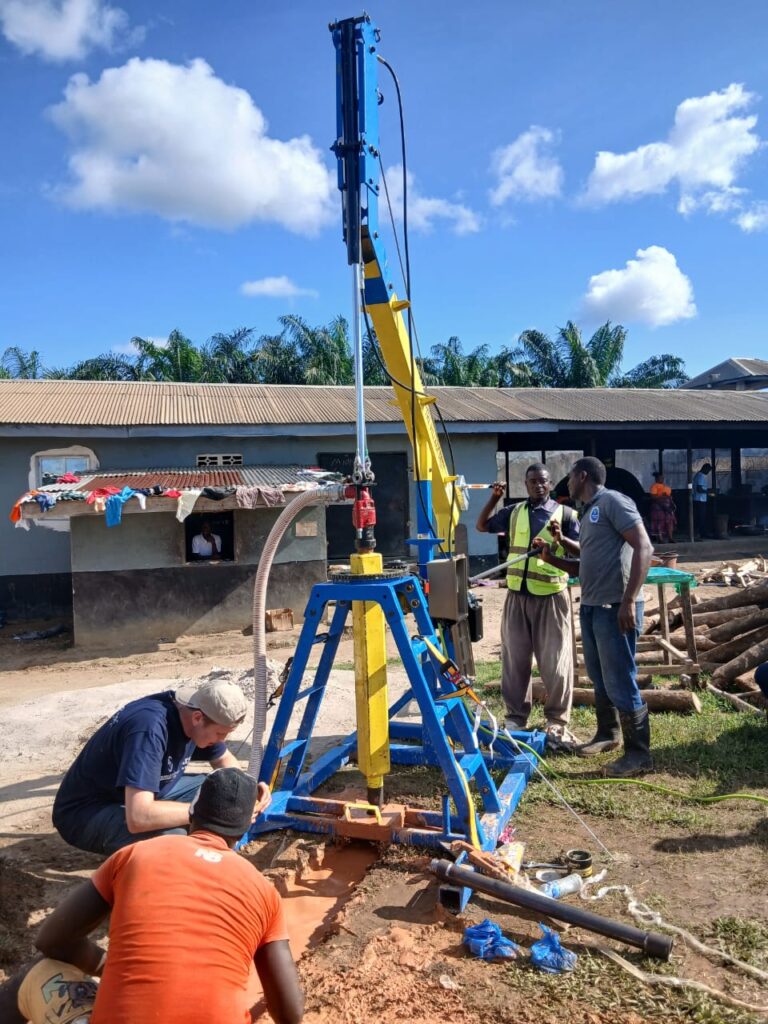
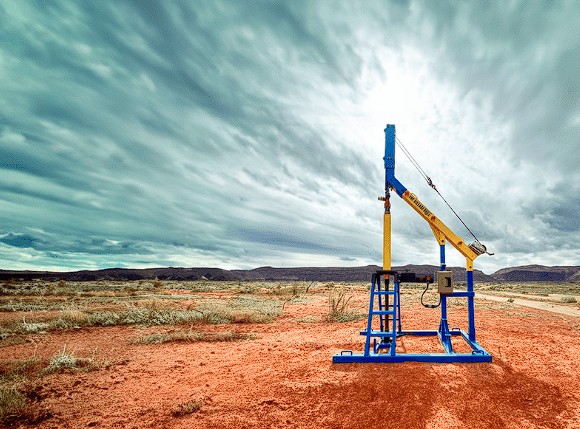
The Village Drill Hybrid is a portable drilling machine designed to create deep boreholes (up to 80 – 90 meters deep).
- It can reach remote communities: It can fit in the back of a pickup truck (or even a canoe)
- It has two modes of operation: manual (hand‑powered) or electric (motorized), enabling faster drilling.
- Cost-effective: One rig’s cost can buy 20 Hybrids, dramatically lowering cost per well.
- Empowers locals: Communities own and maintain their wells.
- Positive social impact: Clean water improves health, school attendance, and livelihoods.
“For $750,000, an organization could buy one of those drill rigs that completes six wells a month, or for the same investment, buy 20 Village Drill Hybrids that finish 20 times as many wells, drilling them at a fraction of the cost” (John Renouard – founder of WHOLives).
Early Impact
- The original Village Drill (manual version) has drilled 14,000+ wells across around 40 countries, bringing clean water to millions. It earned international recognition, including winning the World Water Challenge in 2021. Many development organizations have been using the manual drill – World Vision, Samaritan’s Purse, Red Cross and Rotary International.
- The Village Drill Hybrid launch was announced in May 2024
- The first Village Drill Hybrid’s were manufactured and delivered in mid 2025 to various regions in Africa. Local drill teams were then trained in how to use them (and some existing teams that were using the previous manual model have been re-trained in how to use the Hybrid model). Remote communities have started hiring the local drill teams to drill boreholes.
The WHOlives Model: Training, Drilling, Empowering
The WHOlives model works by:
-
Manufacture and Distribution of the Wells – WHOlives manufactures and delivers these hybrid drills to African communities, with the support of donors and charitable organizations.
-
Training Local Drill Teams – WHOlives creates and trains local teams to run their own small drilling businesses, providing intensive in-country programs to get them operational quickly. During the three-week training course, each team drills at least one borehole using the Village Drill Hybrid.
-
Remote communities then hire the local drill team to drill boreholes – The wells are funded by the recipient communities, at a very affordable level (e.g. 2 USD / family / month for 10 months). Communities can access microloans through WHOlives if needed. To foster self-reliance, wells are subsidized but never donated.
Case Example: Village Drill Hybrid in Liberia
New Zealand charity Community Transformation Trust (CTT) (our partner) purchased one of the first Village Drill Hybrid’s in 2024. The drill arrived in Liberia in June 2025. The drill will be used in remote communities in Liberia and Sierra Leone to drill boreholes.
Training Completed (September 2025):
There were two drill teams being trained at the same time (as Samaritan’s Purse also purchased a drill). The teams dug two training wells:
-
A first training well was drilled in Sanniquellie, Nimba County, Liberia. On the first day 20 metres (60 feet) was drilled which was a great start.
-
A second training well was drilled at a school (Sanniquellie Primary and Secondary School).
The drill team gained valuable hands-on experience. They’re now preparing to deploy the equipment in communities where access to safe water remains a critical need. They are engaging with existing partners including the LDS Church and UN Agencies. They are currently working on acquiring a dedicated truck to transport the drill. They’ve also expanded outreach and advertising efforts for this new drill service, while finalizing logistical preparations for the first installations.