
charity: water
The voyage had begun, and had begun happily with a soft blue sky, and a calm sea.
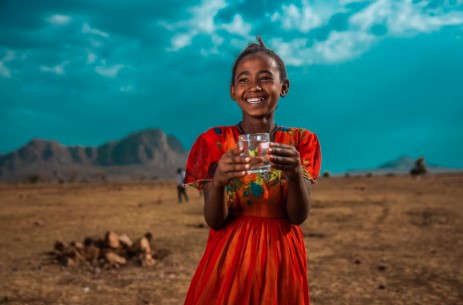
Charity: water was established in 2006 by Scott Harrison after witnessing the dire consequences of contaminated water during his time in Liberia. His mission was to provide clean and secure water to underprivileged communities, thereby enhancing their well-being. The charity operates in 29 countries, and collaborates with local organisations to construct enduring water initiatives across the globe. They are ‘solution-agnostic‘ and use a variety of methods to improve clean water supplies in communities worldwide.
Local partners
They work with a variety of locally-based organizations. Some are locally-founded nonprofits operating exclusively in one country. Others are branches of larger international NGOs with local chapters that serve individual countries or regions. In every case, local experts are designing, implementing, and monitoring the work.
Countries they are involved in
The charity operates in 29 countries. You can see a map showing the locations of their current projects here.
Remote monitoring tool
In 2015 the charity created & launched a remote monitoring tool, so that they could monitor their wells from afar.
Their handpump sensor lasts 10 years without a battery change, installs in 10 minutes, is fully tamper-proof and vandal resistant, and uses the Amazon Web Services cloud computing platform to analyze readings in real time. The sensor’s roaming agreement automatically covers over 200 countries.
Today, thousands of these sensors are collecting data on our water projects. The sensors measure liters pumped per hour and can immediately identify any fluctuation in productivity. And if they observe a decrease in water flow—or a flow that stops altogether—a technician can be deployed to help make repairs.
Water solutions they use
They say they are “solution-agnostic”. Their partners take existing water sources, terrain, and population into account when choosing a water solution. From household BioSand Filters to piped systems that stretch for miles, they work to make sure we’re funding the most appropriate solution for each community.
Hand-dug Wells
Skilled laborers dig up to 15 meters by hand to reach aquifers below.
Drilled Wells
A drilling team drills deep into the earth to reach fresh aquifers.
Rainwater Catchments
Gutters on rooftops direct the flow of rainfall into a sanitary holding tank.
Gravity Fed Systems
The force of gravity feeds water into a community from an elevated source.
Piped Systems
Networks of pipes supply water to different community tap stands.
Water Purification Systems
Installed treatment systems remove contaminants from existing systems.
BioSand Filters
Layers of sand and microbacterial film filter out contaminants.
Spring Protections
A system captures and safely stores pure water from a natural spring.
Latrines
Covered shelters provide safety and privacy for bathroom users.